
Here is a quick video on how to put catcher’s year on a your players. Note the direction of the clips and how the clips are on inside of hook. Feel free to watch the rest to figure out how the rest of the gear gets secured and sized for the kid.
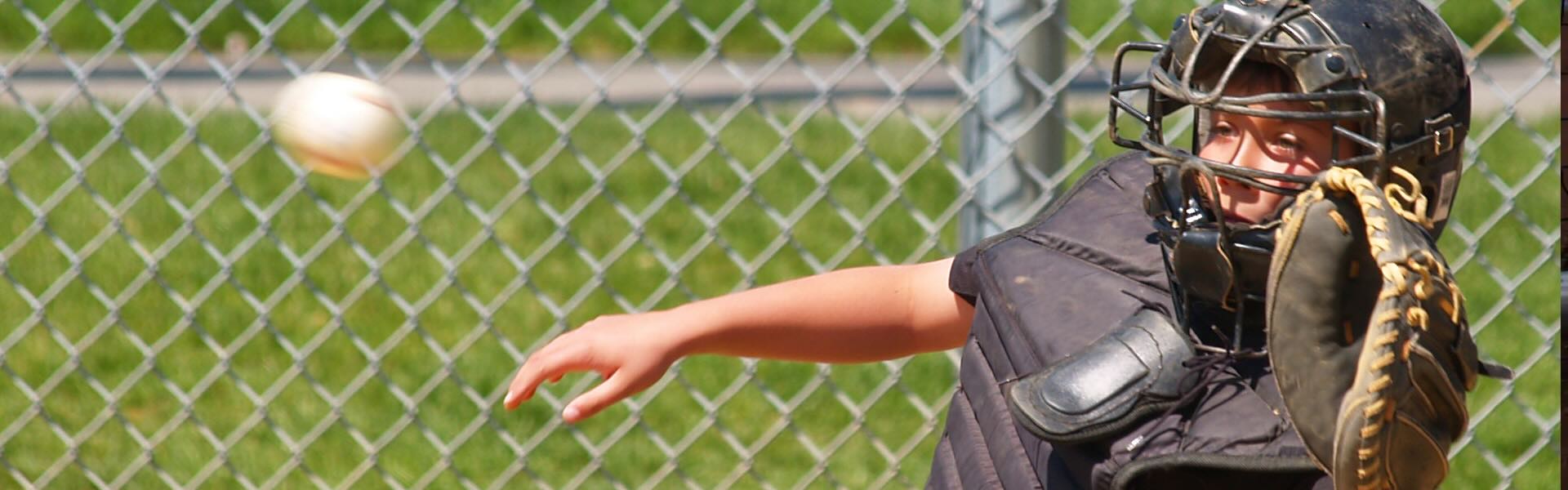
Here is a quick video on how to put catcher’s year on a your players. Note the direction of the clips and how the clips are on inside of hook. Feel free to watch the rest to figure out how the rest of the gear gets secured and sized for the kid.
Here are some youth baseball leagues in Atlanta. While Grant Park Baseball can’t personally endorse any of these leagues here are one’s that we’ve heard of from other parents.
Near Southeast Atlanta:
Game days can be a little hectic at first, but you can make it easier by having a bit of a plan to manage youth baseball games:
This is soccer, but same applies… while you will address some things in games, addressing others in the next practice might be better.
If you’ve gotten these down you can also look at this video for some more advanced coaching approaches as you manage youth baseball games like designating someone to be the one voice for hitting, pitching and fielding:
Every coach will have their own approach to running baseball practice and it will evolve the more practices you run. If you are just getting started here are some things to consider:
Here is a good video that goes through many of these concepts of running an effective baseball practice….
This article that includes baseball and t-ball drills for beginners that new coaches can use.
Each coach has their own style and way to go about practice. You can search youtube for lots of specific baseball and t-ball drills for beginners. If you are just starting out coaching or maybe you are looking for ways to make practice more fun, the Mojo Curriculum featured on MLB is a good one stop shop to get started. Many of the same videos are on YouTube.
Here are some examples…
Alligator traps teaches fundamentals of fielding. Basepath Blitz gets them started baserunning. And up top, down low teaches them how to catch the ball.
4 corners get kids to throw it around the horn in a competitive game. Throwing seeds help with throws from the outfield either to a cut off person or all the way to the plate. Soft toss slugging to work on baseball mechanics.
These are good for minor too (even though it says 9 or 10). Classic pickle drill for base running. Knock it off competition helps work on accuracy.
And…. baserunners try to beat fielders in around the horn. Or Gold Glove is the all around fielding practice where you can discussion situational baseball.
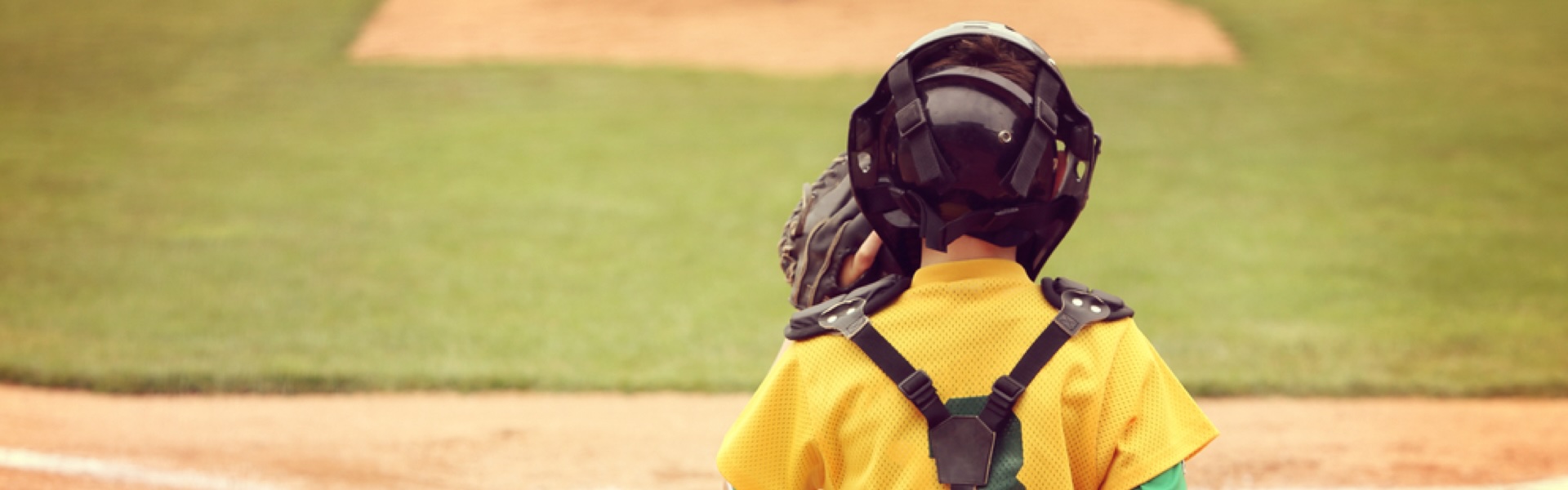
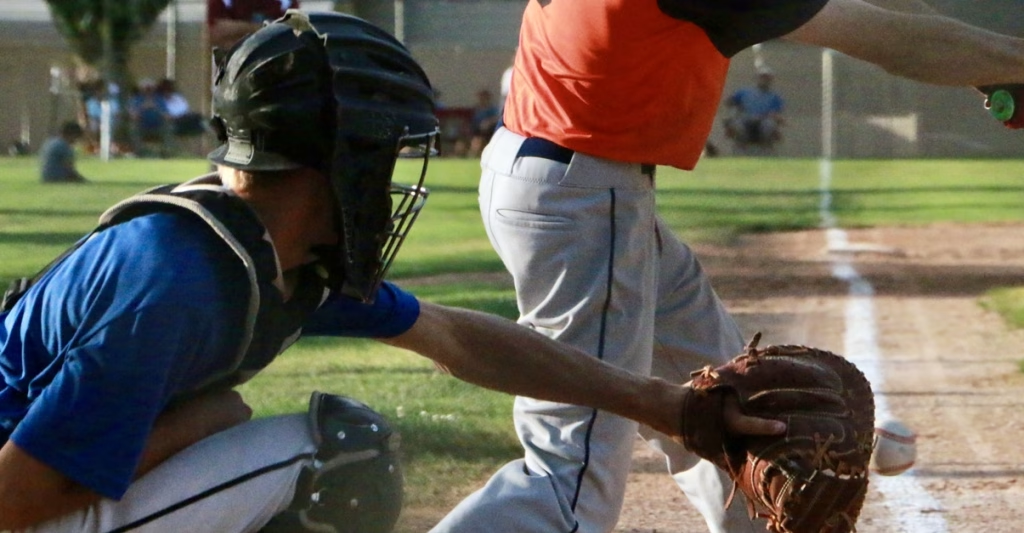
This article covers youth baseball catching 101 which becomes more important in Major, but applies to Minor as well. Catcher’s in major are required to wear a athletic cup as mentioned in FAQ.
There are no steals in our league, but here is the way to get into stance and set a target.
Particularly with the introduction of kid pitch in Major its important that catchers set a good target. This is key to youth baseball catching 101.
Catchers will learn how to use their primary stance to track the ball into the zone and make a good, clean catch.
Working on blocking and always keeping ball in front of you.
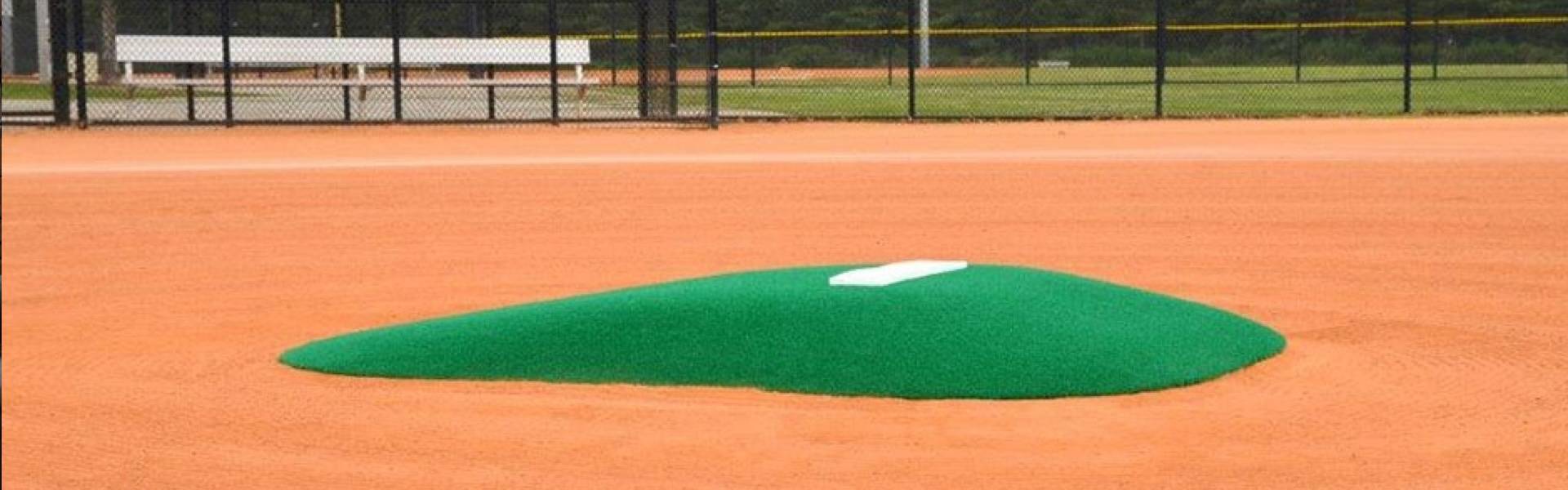
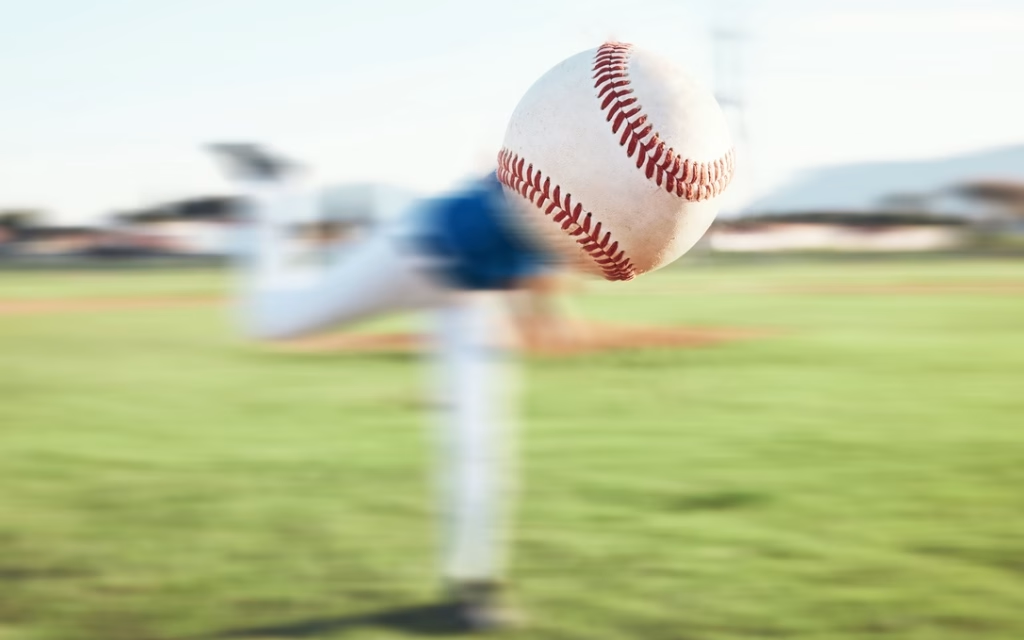
This article covers youth baseball pitching 101. We have a hybrid kid pitch ruleset in Major division this year with kid pitching. Review our FAQ for the latest about how we will approach kid and equipment requirements including helmets with facemasks.
It’s important to get loose and warm-up:
We are throwing fastballs only. Here is a quick 4 seam grip to throw straighter.
Before trying pitching make sure your kid(s) can throw. Here is one video on very basics:
Your team’s coach will teach kids how to pitch, but here is a quick video to help reinforce what they learn.
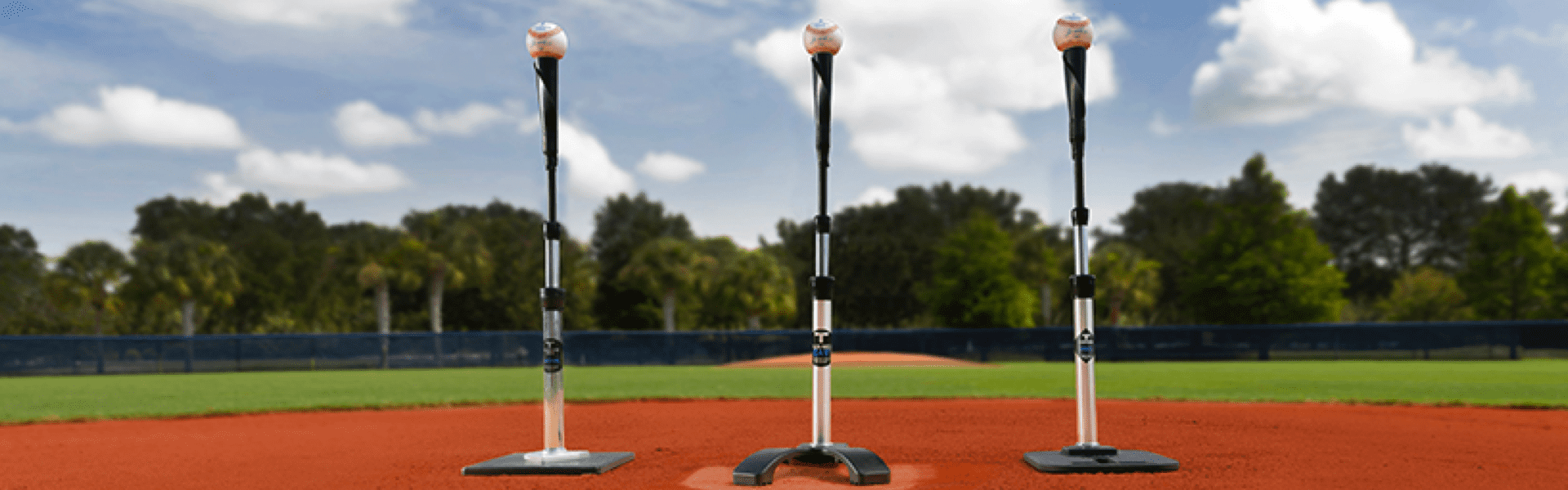
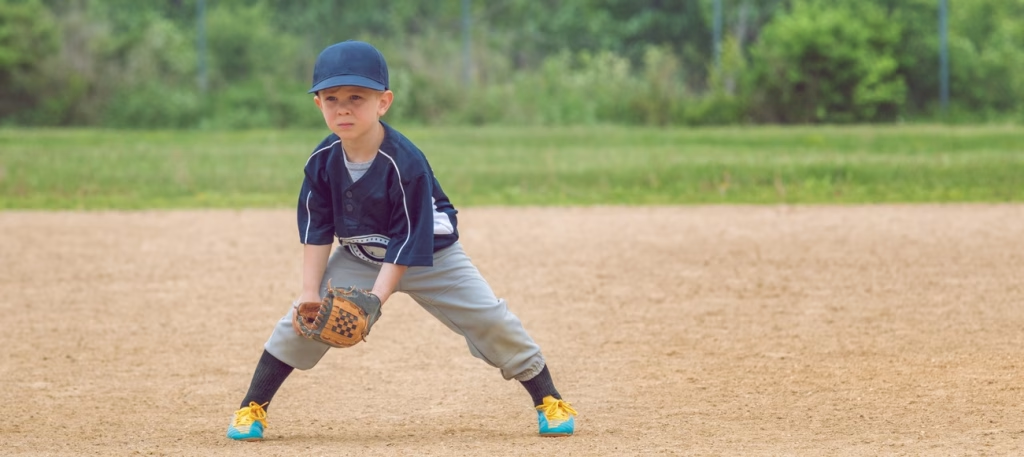
At rookie and t-ball level the goal is coaching basic baseball fundamentals. There are two sets of drills you can start with from Little League University for Rookie or T-Ball Player. First are these T-Ball Drills. Next, is “The Basics” series posted below.
Whether you are a coach or a parent, both of these will create a good baseline for your kids. Also check our our articles on running a practice and managing a game to learn more about coaching basic baseball fundamentals.
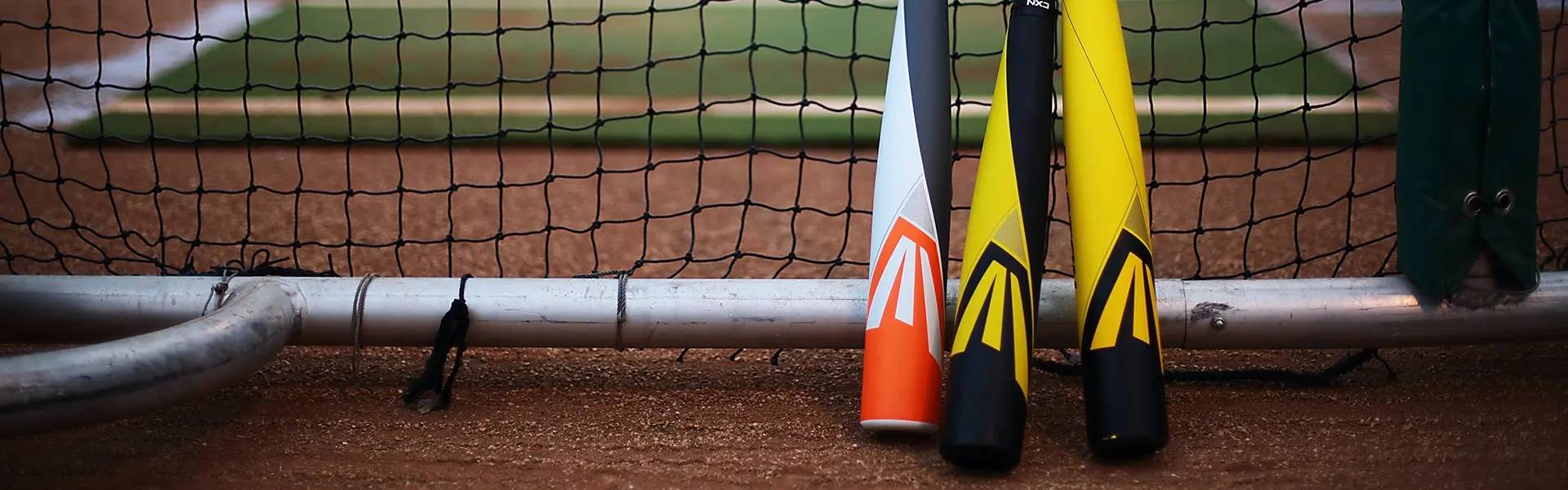
We provide a few bats per team, but some kids like to bring their own bats. Some things to consider so your child doesn’t choose something that is not a fit for them. This is from Dick’s Sporting Goods Bat Buying Guide.
So to keep things simple, just try this test to make sure the bat isn’t too heavy.
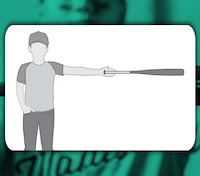
To determine if a bat is too heavy, here’s one simple trick. Hold the bat handle and extend your arm away from your side. If you can’t hold the bat extended for 30-45 seconds, the bat might be too heavy for you.
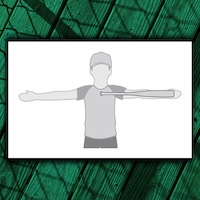 | 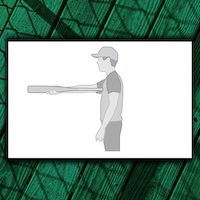 |  |
| 1. Place the bottom of the bat in the center of your chest, pointing it to the side, parallel to your outstretched arm. If you can comfortably reach the top of the bat with your fingertips, the bat is the right length. | 2. Position the bottom of the bat in the center of your chest, facing outward. If your arm can reach out and grab the barrel of the bat, then it is the correct length. | 3. Stand the bat up against the side of your leg. If the end of the bat reaches the center of your palm when you reach down, it’s the appropriate length. |
Each team will coach hitting their way, but if you are working on hitting from home here is a simple tutorial to get started: